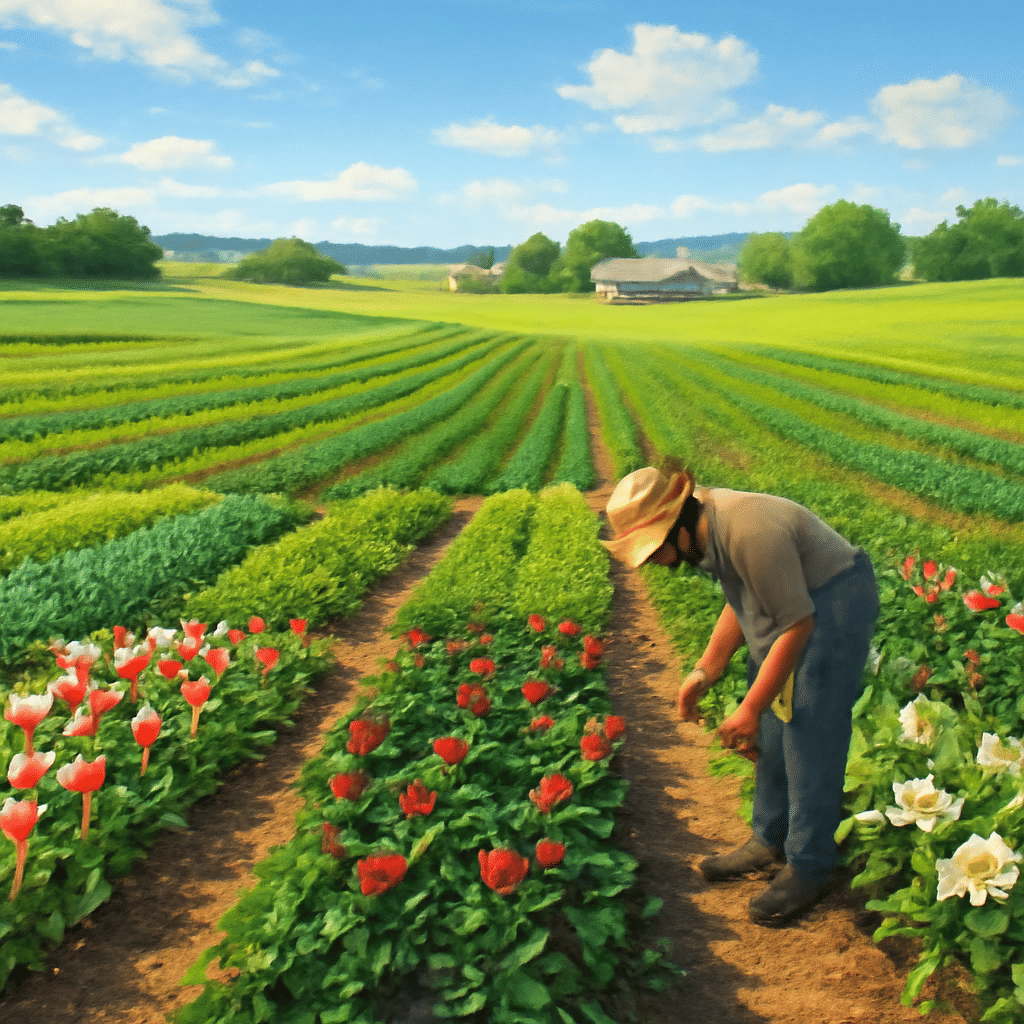
Agriculture in the United States is undergoing a significant transformation, as farmers increasingly adopt sustainable practices that benefit both the environment and their bottom line. This shift is driven by the need to address pressing issues such as soil degradation, water scarcity, and climate change, which threaten the long-term viability of traditional farming methods.
One cornerstone of sustainable agriculture is the use of regenerative techniques that rebuild and enhance soil health. Practices such as cover cropping, crop rotation, and reduced tillage are becoming more widespread as farmers recognize their benefits. Cover crops, for example, are planted during off-seasons to prevent soil erosion, improve soil fertility, and increase biodiversity. These species provide a living cover over bare soil, reducing the impact of wind and rain, and fostering a habitat for beneficial insects and microorganisms.
Crop rotation, another vital element, helps maintain and improve soil health by alternating the types of crops grown in the same area across seasons. This disrupts pest cycles and minimizes disease risks, reducing the reliance on chemical inputs. Incorporating diverse plantings also enhances soil structure and fertility, offering a more resilient farming ecosystem.
Conservation tillage, which includes methods such as no-till or minimal-till farming, significantly contributes to sustainable soil management. By limiting the disturbance to the soil, these methods help maintain organic matter and soil structure. This approach not only reduces erosion but also enhances water retention and carbon sequestration, an essential factor in combating climate change.
In addition to soil-focused practices, water management is another critical aspect of sustainable agriculture. Innovative irrigation techniques, such as drip or precision irrigation, are helping farmers use water more efficiently. By delivering water directly to the plant’s roots, these systems minimize evaporation and runoff, conserving water resources while improving crop productivity.
Technological advancements are also playing a crucial role in this agricultural evolution. Precision agriculture, which leverages GPS, drones, and data analytics, allows farmers to monitor and manage their fields with greater accuracy. This technology enables the targeted application of water, fertilizers, and pesticides, minimizing waste and environmental impact while optimizing crop output.
Integrated pest management (IPM) is yet another strategy gaining traction. By relying on a combination of biological, cultural, and mechanical practices, IPM reduces the need for chemical pesticides. This approach not only protects crops but also safeguards the surrounding environment and promotes biodiversity.
Government programs and consumer demand are further accelerating the adoption of sustainable farming methods. Policies that incentivize environmentally friendly practices support farmers in transitioning and maintaining sustainable operations. Simultaneously, consumers are increasingly prioritizing goods produced with environmental stewardship in mind, prompting producers to adapt their practices.
The rise of sustainable farming practices is transforming agriculture in the USA, ensuring that it can meet the present and future demands of a growing population while preserving the environment. This movement toward more responsible and ecological methods promises a future where agriculture coexists harmoniously with nature, securing food production for generations to come.